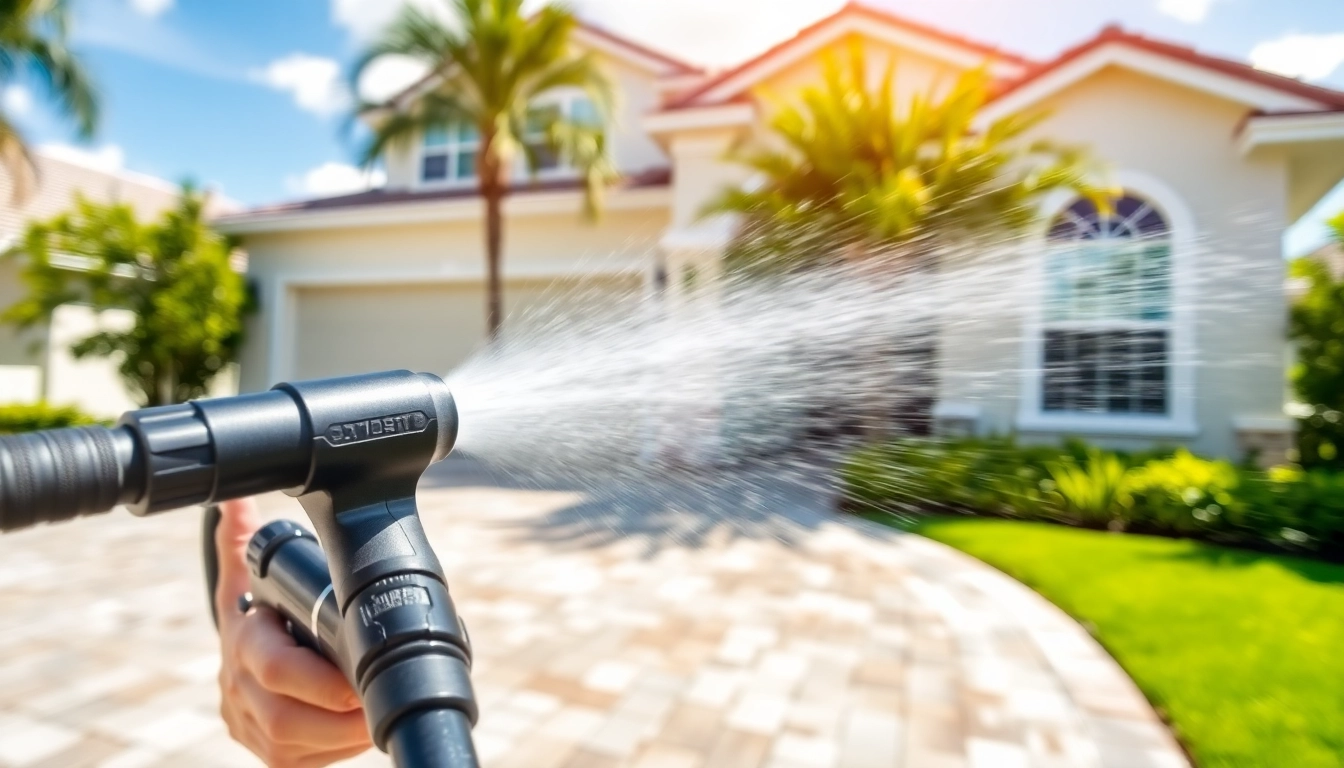
Understanding Driveway Pressure Wash Essentials
Driveway pressure washing plays a crucial role in maintaining the curb appeal and longevity of your home or business. This essential service not only enhances the aesthetic of your property but also prevents long-term damage caused by grime, oil stains, mold, and mildew. Individuals often overlook the significance of a clean driveway, opting for a quick hose-down instead of a thorough pressure wash. However, investing in a professional service can restore your driveway to its original glory and ensure its durability for years to come. When exploring options, driveway pressure wash services offer comprehensive insights into techniques, benefits, and maintenance tips that can save homeowners time and effort.
What is Driveway Pressure Washing?
Driveway pressure washing is a specialized cleaning process that uses high-pressure water to remove dirt, stains, algae, and other contaminants from the surface of the driveway. This process is ideal for various driveway materials, including concrete, asphalt, and pavers. Unlike conventional washing methods, pressure washing utilizes powerful equipment that can exert upwards of 3,000 PSI (pounds per square inch), ensuring a deep clean without the use of harsh chemicals.
Benefits of Professional Driveway Cleaning
Employing professional pressure washing services for your driveway extends beyond mere aesthetics. Here are several notable benefits:
- Enhanced Curb Appeal: A clean driveway significantly boosts the visual appeal of your property, making it more inviting.
- Preventive Maintenance: Regular cleaning can uncover potential issues such as cracks or erosion, allowing for timely repairs.
- Environmentally Friendly: Professional services often use eco-friendly cleaning solutions that are safe for your garden and drainage systems.
- Time Savings: Professional pressure washing can be completed quickly and efficiently, freeing up your time for other important tasks.
- Increased Property Value: A well-maintained driveway can enhance your property’s marketability and value.
Choosing the Right Pressure Washer for Your Driveway
When opting for a DIY approach, selecting the right pressure washer is crucial. Key factors to consider include:
- PSI Rating: For driveway cleaning, a pressure washer should have a rating of at least 2,500 PSI. This power effectively tackles stains without damaging the surface.
- Flow Rate: A higher flow rate (measured in gallons per minute, or GPM) will enable quicker cleaning. Aim for at least 2.5 GPM.
- Type of Washer: Gas-powered washers generally provide more power and are suitable for large areas, while electric models are quieter and better for smaller jobs.
Preparing for Your Driveway Pressure Wash
Preparation is key to achieving the best results from your pressure washing efforts. Here’s how you can efficiently prepare your driveway for cleaning:
Evaluating Driveway Condition and Cleaning Requirements
Before beginning the pressure washing process, assess your driveway for any visible damage or stains. Check for:
- Cracks or potholes that may need repairs.
- Oily spots from vehicles, which may require special treatment.
- Areas with heavy mildew, which might need additional cleaning solutions.
Safety Precautions and Best Practices
Safety should be your first priority when pressure washing. Follow these precautions:
- Wear protective eyewear and gloves to shield against debris and chemicals.
- Ensure the area is clear of children and pets during the cleaning process.
- Be cautious of electrical outlets and water sources to avoid hazards.
- Test the pressure on a small, inconspicuous area before fully washing your driveway.
Gathering Necessary Equipment and Supplies
To ensure a streamlined pressure washing experience, gather all necessary equipment:
- Pressure washer with appropriate PSI and GPM ratings.
- Extension wands to reach inaccessible areas.
- Surface cleaner attachments for uniform cleaning.
- Eco-friendly detergents designed for pressure washing.
- Protective gear to ensure your safety.
Driveway Pressure Washing Techniques
Implementing effective techniques during the pressure washing process will yield the best results. Here’s a step-by-step guide:
Step-by-Step Pressure Washing Process
- Preparation: Clear the driveway of debris, furniture, and vehicles.
- Pre-Treatment: Apply a pre-soak detergent to the surface to break down stains and grime.
- Pressure Washing: Starting at one end, use steady, overlapping strokes to wash the surface, maintaining a safe distance.
- Rinsing: Rinse thoroughly, ensuring no detergent residues are left behind.
- Post-Cleaning Inspection: Check for missed spots or areas that may require additional attention.
Tips for Avoiding Common Mistakes
A few common mistakes can undermine your driveway pressure washing efforts. Avoid these pitfalls:
- Using too high a pressure setting, which can damage the surface.
- Neglecting to pre-soak the surface, making it harder to clean.
- Skipping the rinsing stage, which can leave behind detergent and grime residue.
Innovative Techniques for Stubborn Stains
Stubborn stains may require additional techniques for effective removal:
- Hot Water Pressure Washing: Utilizing hot water can effectively break down tough oil stains and grease.
- Specialized Cleaners: Consider using degreasers for oil stains or mold removers for green growth.
- Agitation: Sometimes, using a brush along with pressure washing can help lift stubborn dirt.
Post-Cleaning Maintenance and Care
After pressure washing, maintaining your driveway’s appearance is essential. Here are practical maintenance tips:
Sealing Your Driveway After Washing
Sealing your driveway post-cleaning protects it from stains, moisture, and UV damage. Choose a high-quality sealant suitable for your driveway type, and apply it to create a protective barrier.
Regular Maintenance Tips for Longevity
To prolong the life of your driveway, consider the following maintenance strategies:
- Regularly sweep away debris and leaves to prevent mold growth.
- Avoid parking heavy vehicles on the driveway to prevent cracks.
- Annual pressure washing can help maintain its appearance and prevent wear.
Identifying Damage and Repairing Your Driveway
Routine inspections can help identify damage early. Look for:
- Cracks that can be filled with epoxy or concrete patch.
- Potholes that may need professional repair.
- Areas with significant wear that may need resurfacing.
Future Trends in Driveway Pressure Washing
As technology and environmental awareness evolve, so do driveway pressure washing practices. Here’s what to expect in the future:
Eco-Friendly Cleaning Solutions in 2025
The trend toward environmentally friendly products continues to grow. Expect to see more biodegradable detergents, water reclamation systems, and energy-efficient equipment on the market.
Advancements in Pressure Washing Technology
Technological innovations will enhance efficiency and effectiveness. Emerging equipment may feature automated systems to streamline the washing process, minimizing human effort while maximizing results.
Consumer Trends: DIY vs. Professional Services
While DIY pressure washing remains popular, a growing awareness of the benefits of professional services is emerging. Consumers are recognizing the value of expertise, especially when it comes to maintaining larger or more complex driveways. Educational resources on proper techniques will inform homeowners about best practices, making it easier to understand when to seek professional help.