
Understanding pg soft: The Essence of Italian Flavors
When it comes to Italian cuisine, nothing quite captures the heart and soul of the culture like the concept of pg soft. This term encompasses not just the culinary delights themselves, but a lifestyle that celebrates fresh ingredients, craftsmanship, and the joy of sharing meals. From the bustling streets of Rome to intimate family gatherings, the essence of pg soft is woven into every dish, allowing diners to experience a slice of Italy no matter where they are in the world.
What is pg soft?
At its core, pg soft represents a movement within the realm of Italian dining that emphasizes authenticity, quality, and the art of slow cooking. It is not just about eating; it is about experiencing food in its most genuine form. This philosophy encourages chefs and home cooks alike to embrace traditional recipes while utilizing locally sourced ingredients. The concept is crucial in a city like Vienna, where Pizzeria Madera proudly showcases a menu rich in Italian heritage.
History and Origin of Italian Cuisine
Italian cuisine has a rich tapestry of history that dates back thousands of years. It is a result of various influences from ancient Roman, Greek, and Etruscan cultures, and later, the Renaissance period brought about a significant evolution in cooking techniques. As trade routes expanded, so did the availability of spices and ingredients, leading to a fusion of culinary styles. This evolution set the stage for what we now recognize as traditional Italian food, marked by its regional diversity and a focus on fresh, high-quality ingredients.
Key Ingredients that Define Authentic Italian Dishes
- Tomatoes: A staple in almost every Italian dish, fresh, sun-ripened tomatoes are the foundation of many sauces.
- Olive Oil: Extra virgin olive oil is used not just for cooking, but as a dressing and flavor enhancer.
- Herbs: Fresh basil, oregano, and parsley are essential in bringing dishes to life.
- Cheese: The use of regional cheeses like mozzarella, Parmesan, and Gorgonzola is crucial in adding depth to flavors.
- Pasta: Made from durum wheat semolina, pasta serves as a blank canvas for various sauces and toppings.
The Art of Making Traditional Pizza
As one of the most iconic dishes of Italian cuisine, pizza embodies the spirit of pg soft. Crafting the perfect pizza involves skill, patience, and an understanding of the essential components.
Step-by-Step Guide to Crafting the Perfect Crust
The foundation of any great pizza is its crust. To achieve that ideal balance of crunch and chewiness, you should start with high-quality flour, typically „00“ flour, which has a fine texture and high protein content. Here’s how to create a classic Neapolitan crust:
- Mixing: Combine flour, water, yeast, and salt to form a dough.
- Kneading: Knead the dough until it is smooth and elastic.
- Fermentation: Allow the dough to rise for several hours or overnight for enhanced flavor.
- Shaping: Gently stretch the dough into a round shape without deflating it.
Essential Toppings for an Authentic Experience
While the crust is crucial, toppings are what truly define a pizza. Authentic Italian pizzas typically feature simple yet flavorful ingredients. Classic toppings include:
- San Marzano tomatoes
- Fresh mozzarella cheese
- Fresh basil leaves
- Olive oil
- Prosciutto di Parma
How to Master the Oven: Baking Techniques
The oven plays a vital role in achieving that perfect pizza. Traditional wood-fired ovens can reach temperatures up to 900°F, allowing the pizza to cook quickly, developing a charred crust and melted cheese. If using a home oven, preheat it as high as possible and consider using a pizza stone to emulate that high baking temperature.
Exploring Other Italian Culinary Staples
Beyond pizza, Italian cuisine is a treasure trove of flavors, with various staples that deserve exploration. Understanding these elements enhances your culinary experience.
The Role of Antipasti in Italian Meals
Antipasti, the traditional first course of an Italian meal, offers a delightful array of small bites designed to stimulate the appetite. Common ingredients include cured meats, cheeses, olives, and marinated vegetables. These appetizers are often enjoyed with a glass of wine, setting the tone for a convivial meal.
Understanding Pasta Varieties and Their Pairings
Pasta comes in numerous shapes and sizes, each suited to different types of sauces. Here are a few popular varieties and their ideal pairings:
- Spaghetti: Best with light sauces like marinara or olive oil and garlic.
- Penne: Excellent for creamy sauces, as the ridges hold the sauce well.
- Farfalle: Their butterfly shape pairs well with both creamy and tomato-based sauces.
The Importance of Fresh Ingredients in Italian Cooking
Freshness is a critical factor in Italian cooking. Local and seasonal ingredients not only enhance flavor but also reflect the essence of Italian culinary traditions. Markets in Italy brimming with ripe produce, artisanal cheeses, and freshly caught seafood embody this principle, inspiring chefs to create dishes that celebrate the best of what the land has to offer.
Dining Culture: Enjoying Meals Italian Style
The way Italians dine is a reflection of their culture, emphasizing community, relationships, and the enjoyment of food. Understanding these customs can enrich your dining experience.
The Tradition of Sharing Meals with Family
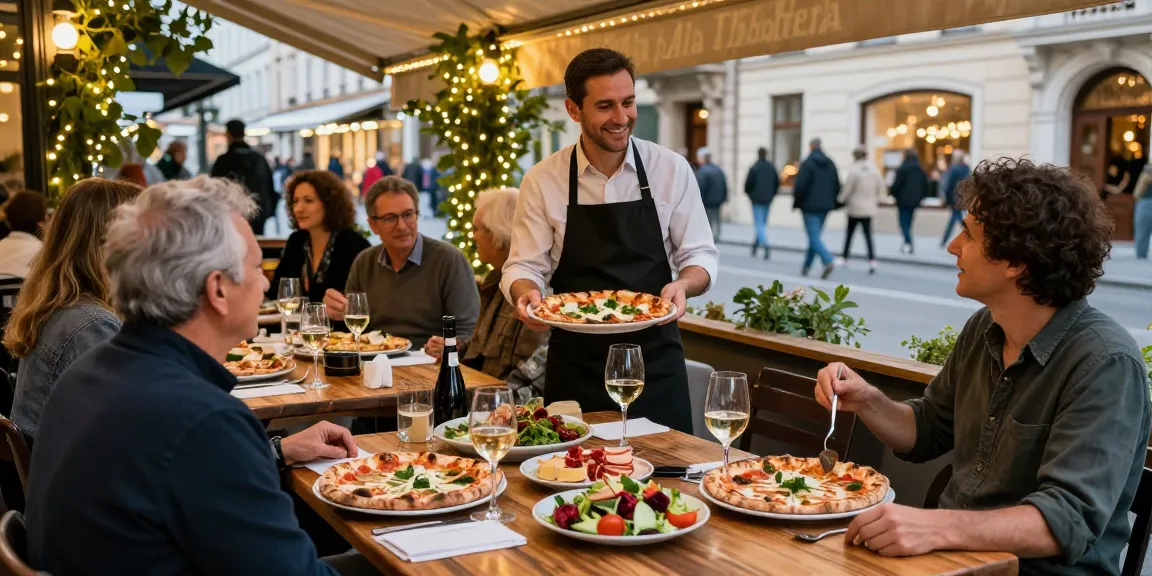
In Italy, meals are often shared with family and friends, creating a sense of togetherness. This practice is evident in the dining experience at Pizzeria Madera, where communal tables encourage conversation and connection. It’s not uncommon for meals to last for hours, allowing ample time for stories and laughter.
Pizzeria Etiquette: Tips for a True Italian Experience
When dining at an Italian pizzeria, a few etiquette tips can enhance your experience:
- Order a variety of dishes to share.
- Pair your food with appropriate wines.
- Take your time—enjoy the meal and company fully.
Wine Pairing: Enhancing Your Dining Experience
Wine is an integral part of Italian meals, complementing and enhancing the flavors of the cuisine. Here are some pairing tips:
- Red wines like Chianti go well with meat dishes.
- White wines, such as Pinot Grigio, pair nicely with seafood and lighter pasta dishes.
- Consider regional pairings to elevate authenticity.
Future Trends in Italian Dining
As we look ahead to 2026, several trends are shaping the future of Italian dining. These innovations promise to keep the essence of pg soft alive while adapting to contemporary tastes.
Innovations in Italian Cuisine for 2026
Modern Italian chefs are beginning to incorporate unexpected ingredients and techniques, blending tradition with innovation. This can be seen in the rise of fusion dishes that honor Italian roots while exploring global flavors. Additionally, plant-based options are becoming increasingly popular as more diners seek healthier choices.
Sustainable Practices in Italian Food Preparation
Sustainability is central to the evolving culinary landscape. Italian restaurants are committing to sourcing locally and reducing waste, ensuring that the food served not only tastes great but is also environmentally responsible. Advocating for sustainable farming practices and reducing carbon footprints are crucial trends for the future.
How Technology is Changing Italian Dining Experiences
Technology is also reshaping how we engage with food. From online reservations to contactless payments and virtual cooking classes, the dining experience is becoming more seamless and accessible. Smart kitchens are emerging as more chefs adopt innovative tools to enhance their culinary skills.
What Makes Italian Pizza Unique?
Italian pizza stands out due to its simplicity and quality ingredients. Authentic Italian pizza boasts a thin, crispy crust, minimal but high-quality toppings, and is often cooked in a wood-fired oven, resulting in a unique flavor that is difficult to replicate.
How to Choose the Best Italian Restaurant?
When searching for an authentic Italian restaurant, look for places that emphasize fresh, local ingredients and traditional cooking methods. Reviews, word of mouth, and menus can all provide insight into the quality of food being served.
Are There Vegetarian Options in Italian Cuisine?
Vegetarian options are plentiful in Italian cuisine. From Caprese salads to vegetable risottos and a variety of pasta dishes, there is something to please every palate. The use of seasonal vegetables ensures that these dishes are both flavorful and satisfying.
How to Pair Italian Wines with Meals?
Pairing Italian wines with meals involves understanding the weight and flavor profiles of both the food and the wine. For instance, a robust red wine complements hearty meats and tomato-based dishes, while a light white wine enhances seafood and vegetable dishes.