Understanding Bathroom Remodeling Basics
Bathroom remodeling is an exciting venture that can significantly enhance the overall aesthetic and functionality of your home. Whether you’re looking to update an old space or completely transform your bathroom, understanding the fundamentals is crucial. This guide will delve into the key objectives of bathroom remodeling, explore various styles, and provide essential budgeting insights. For homeowners seeking to enhance their living spaces, bathroom remodeling serves as a perfect starting point.
Key Objectives of Bathroom Remodeling
The objectives for bathroom remodeling can vary greatly depending on individual needs and preferences. Here are some of the most common goals:
- Improving Functionality: Many homeowners remodel to create a more functional layout, ensuring that fixtures and storage meet their needs efficiently.
- Enhancing Aesthetics: A worn-out or outdated bathroom can detract from your home’s appeal. Remodeling allows for modern design elements and style preferences to shine.
- Increasing Property Value: A well-executed bathroom remodel can add considerable value to your property, making it more attractive to potential buyers.
- Energy Efficiency: Updating fixtures, such as toilets and faucets, can lead to increased energy efficiency, reducing water consumption and utility bills.
- Ensuring Safety: More modern fixtures and layouts can address safety concerns, especially in households with elderly or disabled individuals.
Common Bathroom Remodeling Styles
Bathroom remodeling styles vary widely, allowing homeowners to express their personal taste and accommodate practical needs. Here are some popular styles:
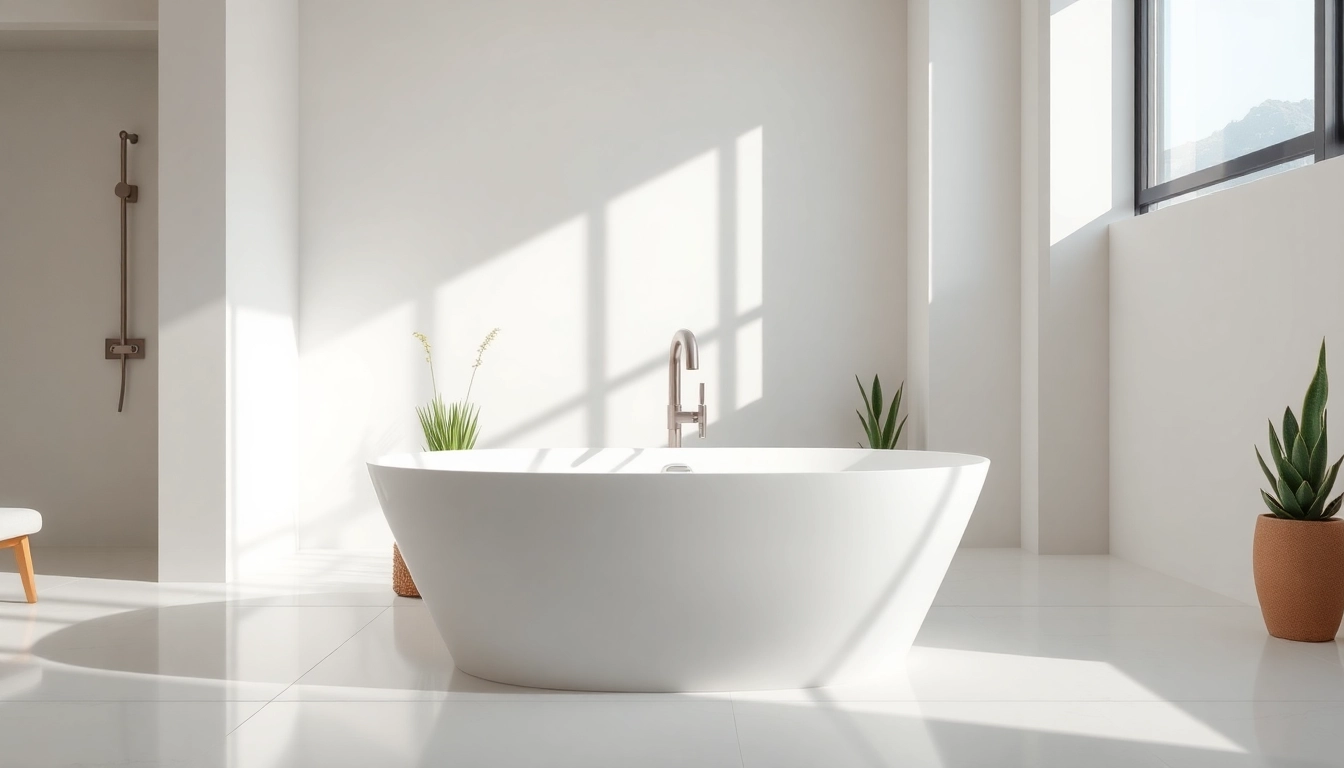
- Modern: Characterized by sleek lines, minimalistic hardware, and a neutral color palette, modern bathrooms often focus on functionality paired with elegance.
- Traditional: Incorporating classic design elements like clawfoot tubs, ornate fixtures, and rich colors, traditional bathrooms are warm and inviting.
- Contemporary: Blending elements from various styles, contemporary design often emphasizes open spaces and eco-friendly materials.
- Rustic: Featuring natural materials, earthy tones, and vintage accents, rustic bathrooms can create a cozy and relaxing atmosphere.
- Industrial: Exposed brick, metal fixtures, and raw finishes define the industrial style, offering a bold and edgy alternative.
Budgeting for Your Bathroom Remodeling
Setting a budget is one of the first steps in the bathroom remodeling process. Consider the following aspects when budgeting:
- Cost of Materials: High-quality materials can significantly impact your budget. Research costs for tiles, countertops, cabinets, and fixtures.
- Labor Costs: If hiring professionals, factor in labor costs, which can vary based on location and the complexity of the work.
- Permits: Renovations may require permits depending on your local regulations; include potential permit fees in your budget.
- Contingency Fund: Unexpected expenses can arise during remodeling, so allocate about 10-20% of your budget for contingencies.
Planning Your Bathroom Remodeling Project
A successful bathroom remodeling project requires careful planning and organization. This section outlines essential steps to ensure your project runs smoothly.
Choosing the Right Materials
The materials you select can dramatically influence the look and feel of your bathroom. Here are some popular material choices:
- Tiles: Ceramic, porcelain, and natural stone tiles are commonly used for floors, walls, and backsplashes.
- Countertops: Options like granite, quartz, and marble are popular for their durability and aesthetics.
- Fixtures: Choose modern, water-efficient faucets and showerheads to enhance both style and functionality.
- Paint: Moisture-resistant paint is essential for bathrooms to prevent mildew and peeling.
Hiring Professionals vs. DIY
Deciding whether to hire professionals or tackle the remodel yourself can influence both your budget and time schedule. Consider these factors:
- Expertise: If you lack experience in plumbing or electrical work, it’s often best to hire professionals.
- Time: DIY projects can take longer, especially if you have other commitments. Professionals can expedite the process.
- Cost Efficiency: While DIY may save labor costs, mistakes can lead to expensive repairs down the line.
Permits and Regulations for Bathroom Remodeling
Renovating a bathroom often requires understanding local building codes and obtaining necessary permits. Here’s what to keep in mind:
- Research Local Codes: Contact your local building department to understand what regulations apply to your project.
- Obtain Required Permits: Failure to secure necessary permits can lead to fines or complications when selling your home.
- Inspection Requirements: Some renovations may require inspections to ensure they comply with safety standards.
Design Considerations for Bathroom Remodeling
Design plays a critical role in bathroom remodeling, influencing both aesthetics and functionality. Here’s what to consider:
Essential Features for Modern Bathrooms
Modern bathrooms typically incorporate features that enhance comfort and convenience. Some key elements include:
- Double Sinks: Ideal for shared spaces, dual vanities can significantly improve functionality.
- Walk-in Showers: Offering luxurious space and accessibility, walk-in showers are becoming increasingly popular.
- Smart Technology: Features like smart mirrors and automated lighting enhance usability and efficiency.
- Storage Solutions: Built-in shelving and cabinets help maintain a clutter-free environment.
Color Schemes and Aesthetics in Bathroom Remodeling
The right color scheme can set the tone for your bathroom. Here are some tips for choosing colors:
- Neutral Palettes: Whites, grays, and earth tones create a calming environment and allow for flexible decor.
- Accent Colors: Use bold colors for accents like towels or artwork to add personality without overwhelming the space.
- Lighting Considerations: Natural and artificial lighting can affect how colors appear, influencing your choices.
Maximizing Space in Small Bathrooms
Small bathrooms pose unique challenges. Here are strategies to maximize space:
- Use Vertical Space: Tall cabinets and wall-mounted shelves can provide more storage without consuming floor space.
- Mirrors: Strategically placed mirrors can create an illusion of depth and openness.
- Compact Fixtures: Consider smaller sinks and toilets designed specifically for tight spaces.
- Open Layouts: Choosing a glass shower enclosure instead of a bulky tub can make the space feel larger.
Implementing Your Bathroom Remodeling Plan
Once planning is complete, it’s time to put your plan into action. Here’s a look at key implementation steps.
Timeline and Milestones for Bathroom Remodeling
Establishing a timeline helps keep the project on track. Here’s a general timeline outline:
- Initial Planning: 2-4 weeks for design selection and material sourcing.
- Demolition Phase: 1 week for tearing down existing structures.
- Installation Phase: 2-6 weeks, depending on the complexity of the remodel.
- Final Touches: 1 week for painting, decorating, and final inspections.
Coordinating with Contractors
Effective communication with contractors is essential for a successful remodel. Consider these tips:
- Regular Updates: Hold weekly meetings to ensure the project stays on schedule and hear updates.
- Be Clear on Expectations: Discuss your vision thoroughly to prevent misunderstandings about the project scope.
- Document Everything: Keep written records of discussions and agreements to reference if discrepancies arise.
Staying Flexible During Remodeling
It’s important to remain adaptable during remodeling. Here’s why flexibility matters:
- Unexpected Delays: Be prepared for possible delays caused by supply chain issues or unforeseen complications.
- Design Adjustments: Occasionally, adjustments are necessary based on what is feasible in reality versus your initial concept.
- Budget Changes: Economic conditions can alter material costs, so having a flexible budget is vital.
Evaluating Your Bathroom Remodeling Success
After the completion of the remodel, it’s crucial to evaluate the project’s success to ensure it meets expectations and future needs.
Post-Remodeling Assessments
Conduct a thorough assessment of the remodeled space, examining both aesthetics and functionality. Here’s how:
- Visual Inspection: Check if the overall look aligns with your original design vision.
- Functionality Testing: Ensure all fixtures operate as intended and check for any plumbing or electrical issues.
- Quality of Work: Inspect installation and finishes to confirm everything is up to standard.
Customer Feedback and Satisfaction
Gathering feedback can help in understanding how well your remodel has met your expectations. Consider these methods:
- Surveys: Distributing a brief questionnaire can yield invaluable insights on user experience.
- Observation: Pay attention to how household members utilize the space over time and note any improvements needed.
- Social Sharing: Consider sharing your remodel on social media to gather thoughts and suggestions from friends and family.
Future Maintenance After Bathroom Remodeling
Maintaining your remodeled bathroom is essential to preserve its beauty and functionality. Here are key maintenance tips:
- Regular Cleaning: Use non-abrasive cleaners to keep surfaces looking new and prevent mildew buildup.
- Inspect for Wear: Regularly check fixtures and fittings for signs of wear or damage to address issues promptly.
- Update Decor: Update accessories like towels and mats periodically to refresh the look and feel of the bathroom.
Frequently Asked Questions
1. How long does a bathroom remodel normally take?
A bathroom remodel typically takes 4 to 8 weeks, depending on complexity and work scope.
2. What is the average cost of a bathroom remodel?
Costs can vary widely, but the average bathroom remodel usually ranges from $5,000 to $15,000.
3. Do I need a permit for a bathroom remodel?
Permits may be required based on local regulations and the extent of the remodel; it’s best to check first.
4. Is it better to hire a professional or DIY for remodeling?
Hiring professionals is advisable for complex tasks, while DIY may be suitable for simple updates.
5. What should I prioritize in a bathroom remodel?
Focus on functionality, quality materials, and aesthetics to ensure a successful and enjoyable remodel.