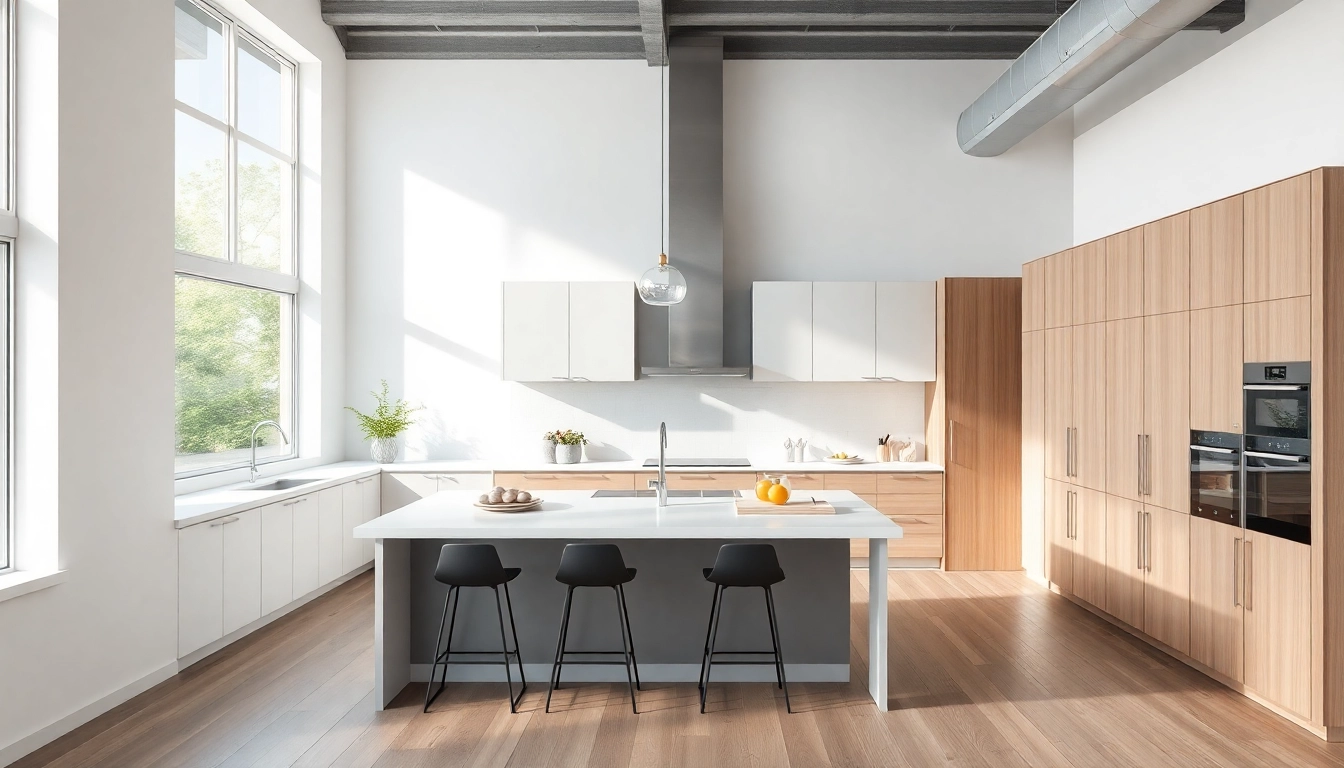
Understanding Kitchen Remodeling
Defining Kitchen Remodeling
Kitchen remodeling is the process of updating, renovating, or altering an existing kitchen space to enhance its functionality, aesthetics, and overall appeal. This multifaceted endeavor can encompass anything from minor updates, such as changing fixtures and finishes, to major renovations that involve a complete overhaul of the kitchen layout. Whether you’re looking to accommodate a growing family, boost the resale value of your home, or create a space that aligns with your personal style, kitchen remodeling offers myriad possibilities.
Benefits of Kitchen Remodeling
Engaging in a kitchen remodeling project provides numerous benefits. First and foremost, it can significantly improve the functionality of the space; designed well, kitchens can enhance workflow and make cooking an enjoyable experience. Additionally, modern kitchens often feature energy-efficient appliances that can help reduce utility costs. The aesthetic appeal is undeniably enhanced through remodels, aligning with the latest design trends and personal preferences. Furthermore, a thoughtfully remodeled kitchen can increase the overall value of a home, making it more attractive to potential buyers.
Key Trends in Kitchen Remodeling
Staying updated on the latest trends can be crucial in a successful kitchen remodel. Popular current trends include open-concept designs that promote connectivity and spaciousness, eco-friendly materials, and smart technology integration. These trends not only focus on aesthetics but also on sustainability and efficiency, giving homeowners a modern kitchen that stands the test of time.
Planning Your Kitchen Remodeling Project
Setting a Remodeling Budget
Setting a realistic budget is an essential first step in the kitchen remodeling process. Begin by assessing your current kitchen’s condition and determining a rough estimate of what improvements are necessary. It’s crucial to account for unexpected costs that may arise during remodeling. A good rule of thumb is to allocate 10-20% of your total budget for unforeseen circumstances. Consider all aspects of the project, including materials, labor, and design fees, to ensure you have a complete financial picture.
Choosing Your Design Style
Your kitchen design should reflect your personal style while also considering functionality. Popular styles include contemporary, traditional, farmhouse, and industrial, each with distinct characteristics. Research various aesthetics and create a mood board of colors, materials, and layouts that resonate with you. Your design should harmonize with the rest of your home, creating a seamless flow between spaces.
Creating a Functional Layout
A functional kitchen layout enhances usability. Popular layouts such as the L-shape, U-shape, and galley designs maximize space and improve workflow. The work triangle concept, which emphasizes the relationship between the stove, sink, and refrigerator, remains crucial in kitchen design. Keep in mind the potential for traffic flow and ensure there is enough space for multiple users, which is especially important in family-oriented households.
Material and Appliance Selection
Best Materials for Kitchen Remodeling
The choice of materials can dramatically affect the appearance and durability of your kitchen. Popular material choices include granite or quartz countertops, hardwood or laminate flooring, and stainless steel appliances. When selecting materials, consider not only their aesthetic appeal but also their maintenance requirements and lifespan. Opting for high-quality materials can lead to better performance over time, making it a worthwhile investment.
Choosing Energy-Efficient Appliances
Energy efficiency should be a top priority when selecting appliances. Not only do energy-efficient appliances save money on utility bills, but they also reduce your environmental footprint. Look for appliances that have the ENERGY STAR label, which signifies they meet high-efficiency standards. Investing in quality products may have a higher upfront cost, but the savings over time can significantly offset that initial investment.
Finishing Touches for a Cohesive Look
The details can make all the difference in kitchen design. Choose backsplash tiles that complement your countertops, and consider cabinet hardware that adds style. Lighting plays a vital role in both functionality and mood, so select fixtures that enhance the design while providing adequate illumination. Cohesion in design elements is crucial in creating a polished finished look, so make sure each component integrates well with others.
Hiring Professionals for Your Kitchen Remodeling
When to Hire a Contractor
Deciding whether to hire a contractor depends on the scope and complexity of your kitchen remodel. For extensive renovations that involve structural changes or complex electrical and plumbing work, hiring a licensed contractor is advisable. They bring a wealth of experience and can navigate potential challenges more effectively than DIY approaches. If your remodel is simpler, you may handle it independently, but always weigh the impact on your time and skill level.
Evaluating Professional Credentials
Not all contractors are created equal. Evaluate potential candidates based on experience, testimonials, and portfolio work. Don’t hesitate to ask for references and to check online reviews to gain insights into their reliability and craftsmanship. Ensure they are licensed and insured, which provides some level of protection in case of mishaps or construction defects.
Communicating Your Vision
Effective communication with your remodeling team is essential for a successful project. Be clear about your vision and share your mood boards, material choices, and layout ideas. Schedule regular check-ins to discuss progress, address concerns, and make adjustments as needed. Collaborative partnerships can ensure your vision comes to life as closely as possible.
Post-Remodeling Considerations
Maintaining Your New Kitchen
After your kitchen remodel, it’s important to establish a maintenance routine to keep your space looking its best. Regular cleaning of surfaces, consistent checks for leaks or appliance issues, and proper care of materials like stone countertops can prolong the life of your kitchen. Develop a maintenance schedule to stay on top of these tasks and preserve your investment.
Evaluating Your Return on Investment
Once the dust has settled on your renovation, evaluating the return on investment (ROI) becomes important, especially if you plan to sell your home. Generally, kitchen remodels can offer a significant ROI, often recouping around 70-80% of the costs. Consider consulting real estate professionals to understand how your remodel may impact your home’s value within your specific market.
Gathering Feedback and Making Adjustments
The final step in your kitchen remodeling journey often involves gathering feedback on the new space. Invite family and friends to experience your revamped kitchen, and solicit their impressions. Pay attention to how well the space meets your daily needs and be open to making adjustments if certain elements are less functional than expected.
Frequently Asked Questions
What is the average cost of a kitchen remodel?
The average kitchen remodel cost ranges from $12,000 to $35,000, depending on the scope and materials used.
How long does a kitchen remodel typically take?
Most kitchen remodels take between 6 weeks to 3 months, depending on the project’s complexity and contractor availability.
What is the best layout for a small kitchen?
A galley layout is often ideal for small kitchens, maximizing space with two parallel counters and efficient workflow.
Can I remodel my kitchen on a budget?
Yes, you can remodel your kitchen on a budget by focusing on cosmetic updates, reusing cabinets, and choosing affordable materials.
What features should I prioritize in a kitchen remodel?
Prioritize functionality, energy-efficient appliances, adequate storage, and durable materials in your kitchen remodel for lasting value.